
INSIGHTS
The Idea Jim Christen Has Been Working on for 40 Years
It started on a basketball court in Oakland. It followed him into football, enterprise software, CEO meetings, value selling and some of the world's largest technology companies. Today, it sits at the center of Hyperscale Revenue.

In This Article
- Oakland
- Then He Learned to Anticipate
- Selling Was Changing
- Then the Stakes Got Much Higher
- What Executives Actually Need Before a Meeting
- A Great Salesperson Wasn't Enough
- What Is the Idea Worth?
- Systems Still Need People
- The Strange Problem With a Great Product
- The Pieces Became a System
- Back to the Beginning
There is a moment in basketball when the person with the ball seems to slow down. The defender relaxes. Just a little. Then everything changes.
One step. A burst of speed. And the opening is there.
Jim Christen started noticing this when he was a kid playing basketball in Oakland. He didn't have a name for it. He wasn't thinking about business. He was trying to stay on the court.
But he was beginning to understand something that would follow him for the next four decades. The person who controls the pace has an advantage.
Not necessarily the fastest person. Not the strongest. The person who understands when to move. And what needs to happen next.
Oakland
Jim grew up playing on the outdoor courts of Oakland in the late 1970s and 1980s. Places like Mosswood, Bushrod and Franklin. The games were competitive. You didn't simply walk onto a court and expect to play.
You had to earn your way in. And once you were in, you had to win to stay there.
Jim watched the best players closely. Some were bigger. Some were faster. Some could shoot better.
But something else caught his attention.
The really difficult players didn't move at one speed. They changed pace. They could slow the game down. Make a defender comfortable.
Then accelerate at exactly the right moment. Jim began trying to do the same thing. At the time, it was basketball.
Years later, he would recognize the same pattern in a completely different place.
The executive boardroom.
Competitive advantage isn't always about doing more. Sometimes it comes from understanding when to move.
Then He Learned to Anticipate
A few years later, Jim encountered another version of the same idea. This time through football.
During the late 1980s and early 1990s, Jim spent several years training alongside Jerry Rice. Rice was already becoming one of football's great wide receivers.
His preparation was relentless. Hill work. Routes. Repetition. Film.
But Jim noticed that the physical work was only part of what made Rice different. Rice studied people.
He studied how defenders moved. He learned their patterns. He looked for what was about to happen.
That meant he didn't always have to react faster. Sometimes he could start earlier.
That distinction stayed with Jim.
Because anticipation wasn't magic. It could be learned.
You observed. You looked for patterns. You prepared. You repeated the process until you could recognize what other people missed.
Years later, Jim would find himself doing something remarkably similar with customers. Not asking only what they needed today. Trying to understand what they were likely to need next.
The best preparation changes what you can see before everyone else sees it.
Selling Was Changing
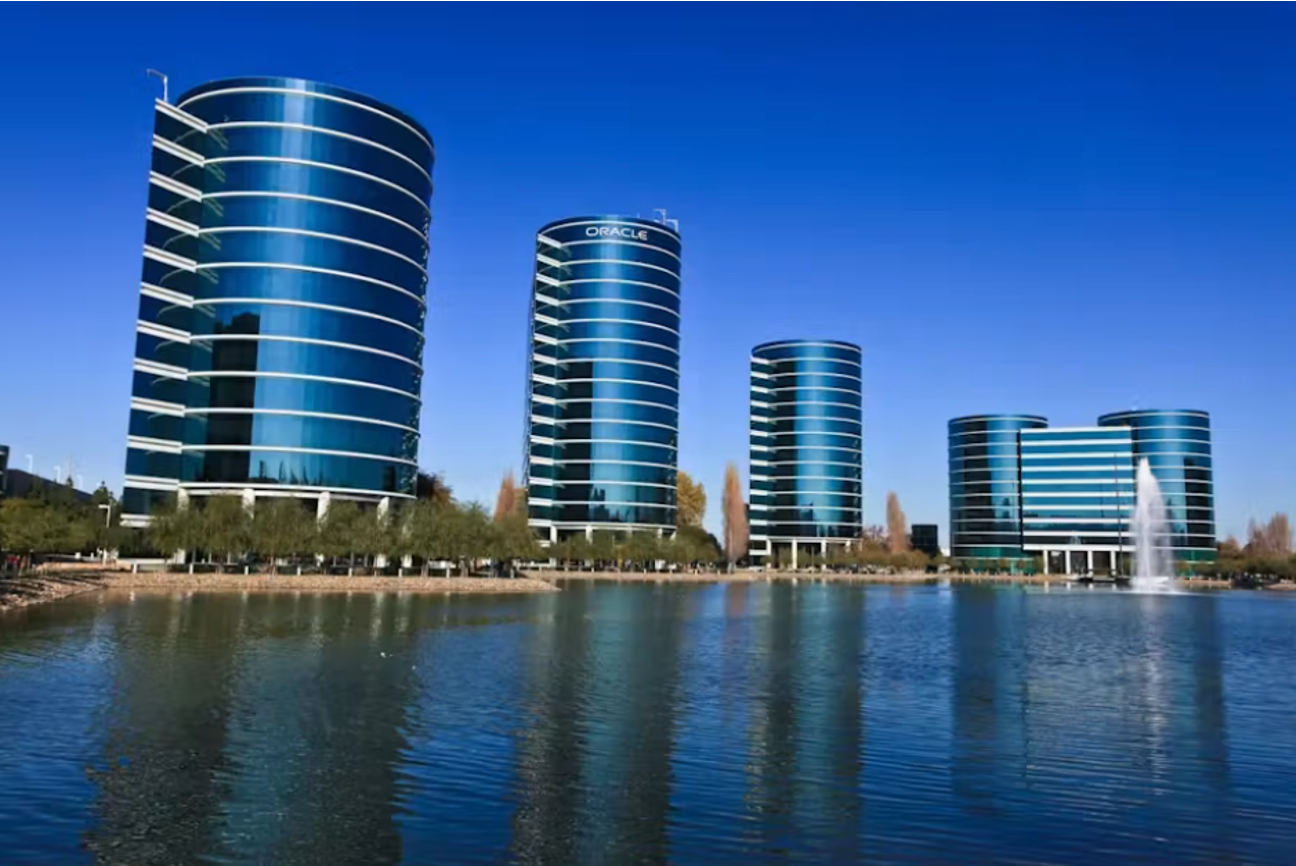
By the 1990s, Jim was working in enterprise technology. The industry was growing quickly. Oracle, SAP, Siebel, i2 Technologies and others were changing the way large companies operated. Sales was changing too.
New methodologies were helping salespeople become better at discovery. Ask better questions. Understand the problem. Match the solution to the need.
That was useful.
Jim also thought it wasn't enough. If every salesperson asked similar questions and followed a similar process, being competent didn't make you very different.
So he became interested in something else. What could he understand about this particular customer that would make the conversation different?
Not a better generic presentation. A better idea.
He started developing customer-specific angles. The goal was to understand the customer's business well enough to show them an advantage that was meaningful to them.
Not simply why the product was good. Why doing something differently could matter to their business.
This changed the nature of the conversation. Jim wasn't just learning how to sell. He was learning how to think from the customer's side of the table.
Then the Stakes Got Much Higher
Around 1999, Jim began working closely with telecommunications executives. It was a remarkable time to be doing it.
Telecom was booming. Then it wasn't.
Capital tightened. Companies that had been growing aggressively suddenly faced very different decisions.
A generic sales pitch was not going to survive that environment. Jim had to understand what senior executives actually cared about.
That pushed his thinking further.
Before presenting anything, he wanted to understand the economic buyer's decision criteria. What was leadership trying to accomplish? What would make the decision important? What would make it difficult? What evidence would they need? And what would cause them to see the situation differently?
The goal was no longer simply to respond to the criteria a customer had already established. The better opportunity was to bring an insight strong enough to influence the criteria themselves.
That is a very different kind of selling.
If a company has already written an RFP, defined its requirements and invited several vendors to compete, much of the important thinking has already happened. Jim became increasingly interested in what happened before that point.
By the time everyone is competing for the same opportunity, some of the most important decisions have already been made.
What Executives Actually Need Before a Meeting
For nearly two decades, Jim had another unusual vantage point. He participated in CEO-to-CEO briefings involving major technology companies and their customers. His work often started before the chief executives entered the room.
Jim would arrive early. He would meet with members of the customer's leadership team. He would learn the business. He would understand what mattered. Then he would help prepare the executive conversation.
After doing this again and again, a pattern became clear.
Senior executives didn't need more information. They needed the right information, organized around a decision.
What is happening in the industry? Where could this company create an advantage? What has worked elsewhere? What could the economic impact be? What would have to happen to execute?
When that work had been done before the meeting, executives could spend their time discussing the business. When it hadn't, valuable meeting time was often spent trying to establish basic context.
Jim began to see preparation differently. Research wasn't background work. It was part of the value.
The meeting started before anyone entered the room.
The quality of an executive conversation is often decided before the conversation begins.
A Great Salesperson Wasn't Enough
By the early 2000s, another problem was becoming obvious. Jim could do this work himself. But that wasn't the same as building an organization that could do it. If success depended on one exceptional person knowing what to research, what to notice, what to say and when to say it, there was no real system.
There was a hero.
And heroes don't scale very well.
So Jim started turning what he knew into reusable structures. One of the results was a library of industry-specific solution sets.
The important idea wasn't to give every salesperson the same pitch. It was almost the opposite.
Give them enough structure that they didn't have to start from zero. Then let them adapt the thinking to the customer in front of them.
That distinction became important.
Standardize the thinking that should be repeatable. Personalize the thinking that should not.
It was the beginning of Jim moving from individual performance toward operating systems.

What Is the Idea Worth?
Then Jim became increasingly interested in another problem. Even a strong executive idea eventually runs into a simple question: What is it worth?
“Value selling” was becoming common language. Actually showing value was harder.
It required business knowledge. Customer information. Financial assumptions. Internal agreement. And a way of translating all of that into something an executive could use.
Jim helped found DecisionLink around that problem. The goal was to turn more of that work into a repeatable system. Its Value Cloud was designed to help teams build customer-specific business cases and quantify the potential economic impact of a decision.
For Jim, this added another piece to the puzzle. Insight could open a conversation.
But eventually the idea had to survive scrutiny. It had to become something a customer could evaluate. Discuss internally. Defend. And act on.
A good idea can earn attention. A good business case helps the idea survive the organization.
Systems Still Need People
There was another lesson Jim had to learn. A good system doesn't guarantee that people will use it.
Companies can buy a methodology. Train everyone. Build the templates. Launch the program. And six months later, very little has changed.
Jim became interested in the people inside organizations who made change spread. They weren't always managers. Often, they were the people others already watched.
The curious ones. The respected ones. The people willing to try something new and show that it worked.
Jim thought of them as trailblazers.
Instead of relying entirely on a top-down mandate, he learned to identify those people early. Help them succeed. Let others see the difference. Then build from there.
It reinforced something Jim was beginning to understand about every system he built.
The process matters. So does adoption.
If people don't use the system when no one is watching, you don't really have a system yet.
The Strange Problem With a Great Product
Later in Jim's career, he encountered a different kind of sales problem. What happens when the product is already excellent?
That sounds like an easy problem. It isn't always.
When demand comes naturally, salespeople can become very good at responding to opportunities that already exist. A customer raises a hand. The salesperson engages. The opportunity enters the pipeline. The team qualifies it, manages it and tries to close it.
There is nothing wrong with that.
But Jim saw the risk. A sales organization can become excellent at managing opportunities without becoming equally good at creating them.
That difference would eventually become central to his work.
Because the salesperson's role could be larger than responding to an existing buying process. A salesperson could understand an executive priority. Develop a point of view around it. Bring something useful to the executive before a formal buying process existed. And help create a conversation that otherwise might never have happened.
Jim had seen pieces of this for years. Now they were starting to connect.
Managing an opportunity and creating one are not the same job.
The Pieces Became a System
By 2019, Jim had accumulated decades of observations. From basketball. Football. Enterprise software. Telecommunications. CEO briefings. Industry strategies. Value management. Change programs. And large sales organizations.
Many of the ideas had started separately. But they kept pointing toward the same problem.
Most sales systems are very good at telling people what to do after an opportunity exists. How to qualify it. How to discover needs. How to manage stakeholders. How to forecast it. How to negotiate. How to close.
Jim was increasingly interested in the part that came before all of that.
How do you earn an executive's attention when there is no active buying process? How do you understand the business well enough to bring that executive something worth considering? How do you turn research into a point of view? How do you connect that point of view to measurable business value? And how do you make the process repeatable so it doesn't depend on one unusually talented salesperson?
Jim began codifying the work. Eventually, much of it became the book Hyperscale Revenue: Pipeline Acceleration Mindset. The book brought together decades of accumulated frameworks and sales plays.
But the frameworks were never the most important part.
The deeper idea was simpler.
Don't wait for every important opportunity to arrive as pipeline.
THE THINKING BECOMES A BOOK

Back to the Beginning
Today, Jim calls the operating discipline that grew from this work Executive Revenue Origination. The name is new compared with the journey that produced it. The idea isn't.
It is about helping established revenue organizations create executive buying conversations and strategic opportunities before conventional pipeline exists.
That requires research. But not research for its own sake. It requires executive insight. But not generic thought leadership. It requires business cases. But not spreadsheets built simply to justify a product. And it requires process. But not a process so rigid that every account begins to look the same.
The organization has to understand the account. Anticipate what matters. Develop a point of view. Make that point of view useful to an executive. And know when to move.
Which brings the story back to Oakland. A basketball court. A kid watching better players. And a lesson that turned out to be much bigger than basketball.
The advantage wasn't simply speed. It was changing speed at the right time. It was seeing what was about to happen. It was creating the opening instead of waiting for one to appear.
More than forty years later, the setting has changed. The principle hasn't.
The best opportunities aren't always the ones you find. Sometimes they're the ones you know how to create.